
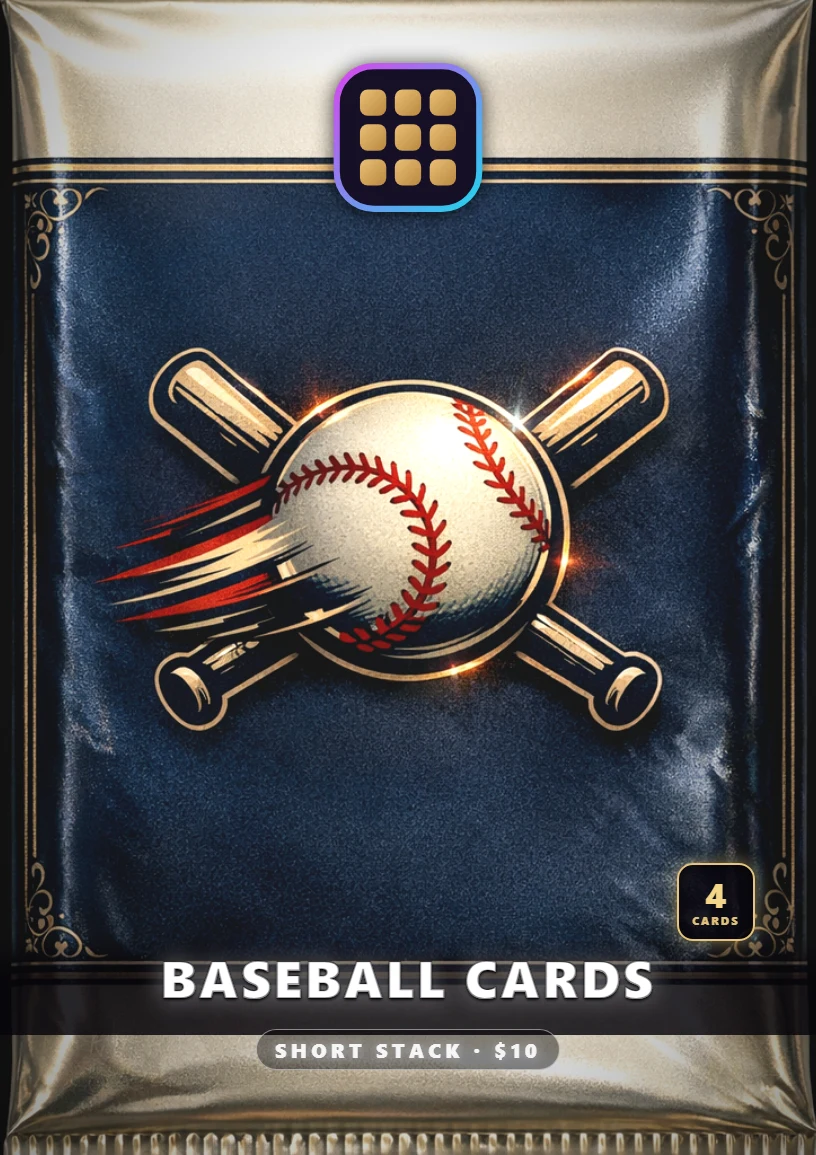
Baseball Packs
Baseball, card by card.
Every Baseball pack deals 4 real cards from the 680 currently in the packs — real printings with live market values, from bulk to a $130 top chase. The Baseball pool spans 190 different sets — 680 cards, one physical copy of each, no duplicates. Pull one and it leaves stock for good.
Baseball cards also turn up in Assorted Sports and Assorted Everything packs.
The chase wall
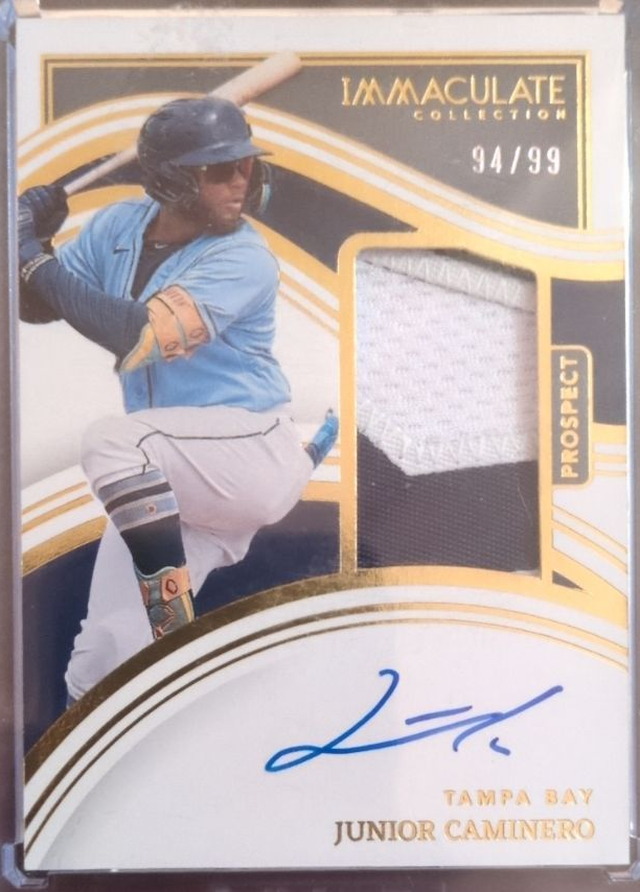
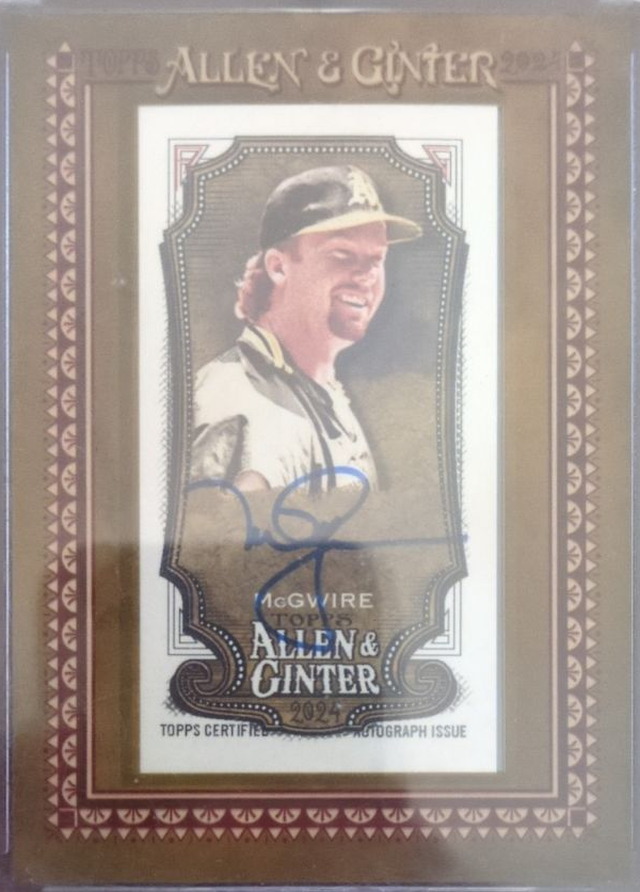
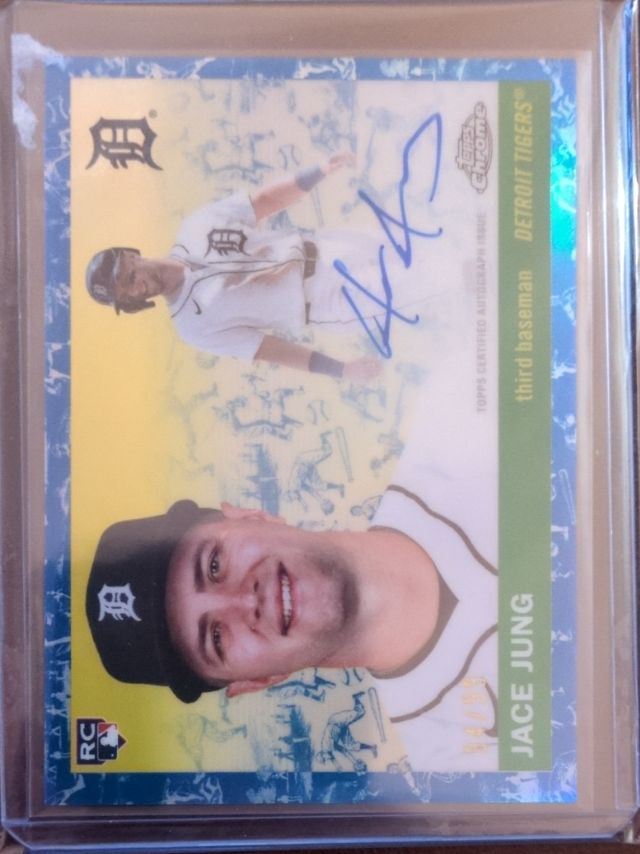
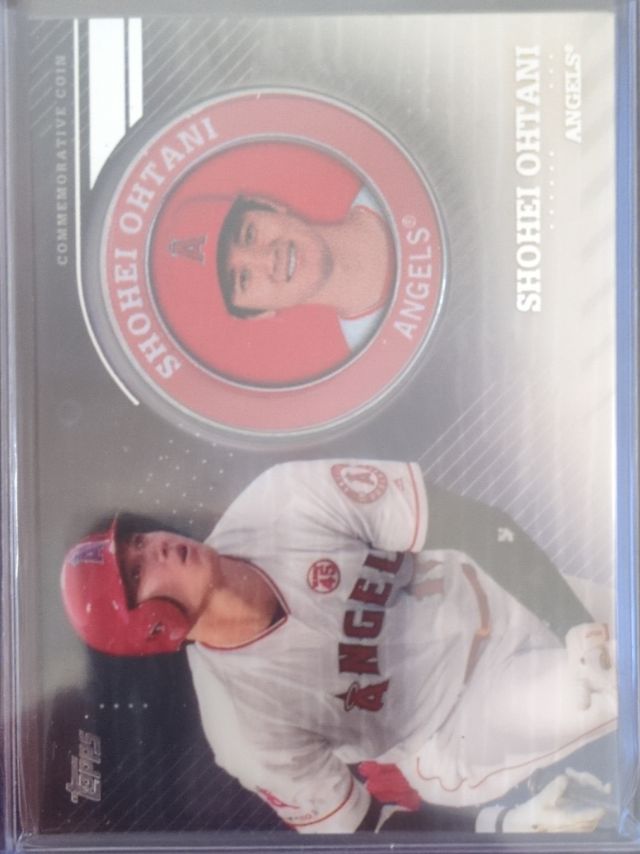
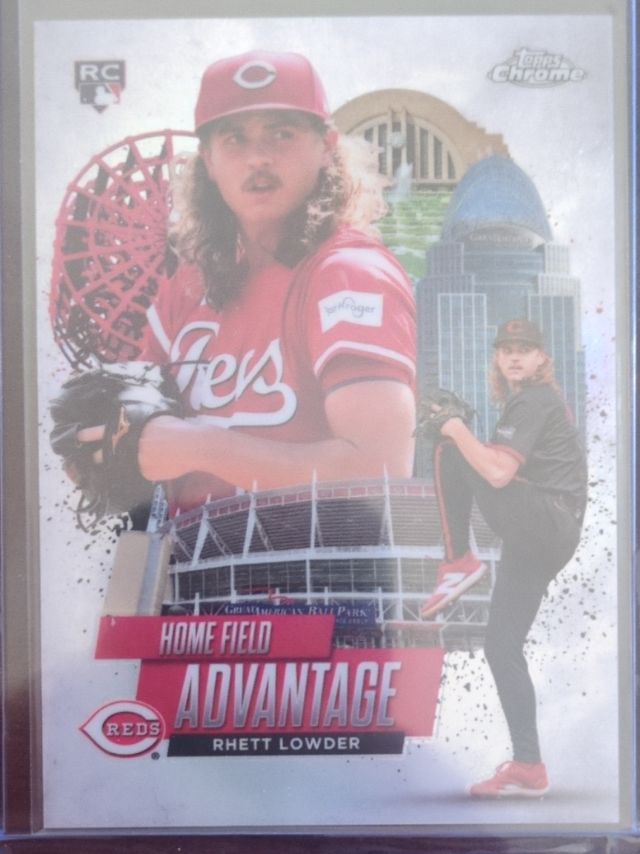
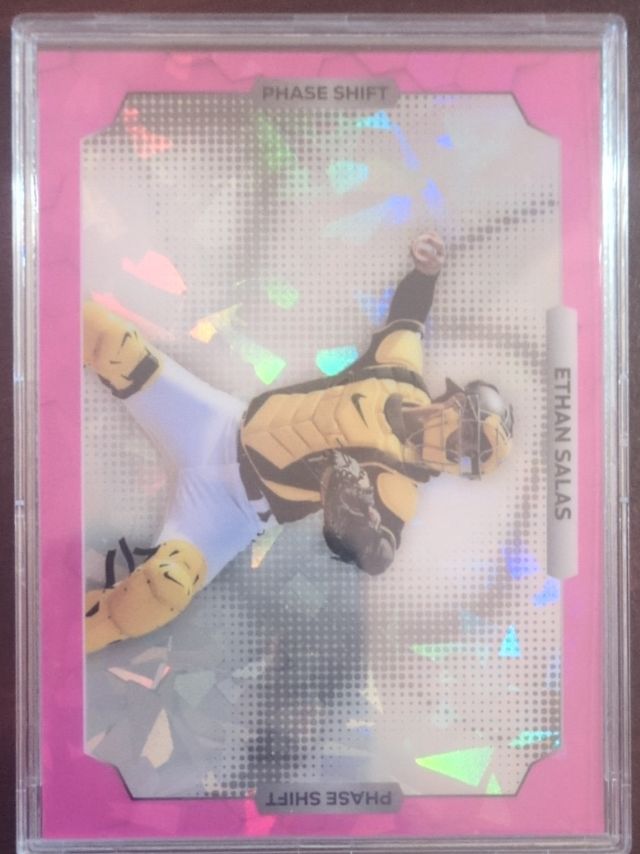
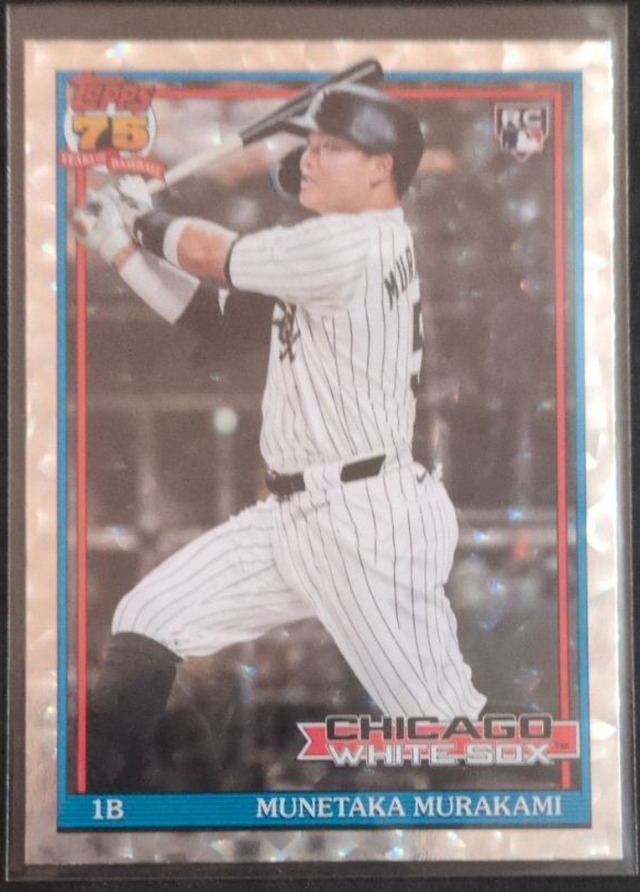
The highest-value cards currently in the Baseball pool. One physical copy each — when someone pulls it, it leaves stock for everyone.
Pick your tier — same 4 cards, better odds
Higher tiers never add cards; they shift your best card toward higher values. Live odds below, computed from what's actually left in the packs. What each tier holds on average is measured from the cards in the packs, below — it differs by tier, so no single figure is printed here.
The median is the pack you are actually likely to get: half land at or below it. The average above is carried by the rare chase hits — both numbers are true, and both come from the same engine and the same stock. Full distribution per tier → Card values and prices are both USD. No exchange rate sits between them.
What the pool actually looks like
Full value-band composition of the published Baseball inventory — the same distribution the odds tables are computed from.
Guides and reading for Baseball
Guides
- Baseball Parallels and the Prospect Market
Baseball runs on one licence, one refractor family, and one market that behaves unlike anything else in the hobby: prospect cards, where you are buying a player who has not played a professional game and may never play one.
- Sports Card Parallels, Brand by Brand
Three companies print nearly every sports card you will meet, and each one named the same handful of finishes differently. Learn how each brand orders its ladder and you can read a product you have never opened.
- RefractorGlossary
Topps' refractive chrome finish — tilt the card and a rainbow sheen sweeps across the whole surface.
- X-FractorGlossary
A refractor whose reflective layer is etched into a grid of small rectangles — the pattern reads as an X-shaped weave.
- Photo VariationGlossary
The same card number with a different photograph — usually short-printed, and usually unmarked.
- Rookie CardGlossary
A player's first card in a licensed major release — a status, not a finish, and the thing most sports card value is built on.
- Serial NumberedGlossary
A card stamped with its own number out of a stated print run, like 24/99 — the only mechanism that states scarcity outright.
- Atomic RefractorGlossary
A refractor etched with a bold field of irregular curved shapes — a much chunkier pattern than the plain finish.
From the blog
- baseball error cards and their sold prices
The Randy Johnson Marlboro billboard, the Billy Ripken bat knob and the no-name Frank Thomas: every version, what it sold for, and how to check your copy.
- how to spot card errors and variations
Errors, variations and printing quirks that change what a card is worth, how to check yours, and how to avoid fakes and altered cards. Sept. 2026 prices.
- what a low serial number does to value
A $250 1/1 and a $90 card numbered to 75, both on our shelf today. The math on why scarcity and value aren’t the same fact, using two real priced cards.
- reading a pack odds table like a buyer
What a 1-in-N odds line really means, why every repack has an EV below 1.0×, and how to read a published odds table like a buyer instead of a mark.
- valuing a card the moment you pull it
How to price a fresh pull: what a card states about value vs. what it only implies, and how to get a real comp instead of an asking price.
- whether a repack is worth buying
Every pack’s EV sits below its price, ours included. The real math on when a repack is worth buying, and what to check before you pay for any of them.