
All Sports Packs
Assorted Sports, card by card.
Every All Sports pack deals 4 real cards from the 1975 currently in the packs — real printings with live market values, from bulk to a $250 top chase. The All Sports pool spans 764 different sets — 1975 cards, one physical copy of each, no duplicates. Pull one and it leaves stock for good.
One Assorted Sports pack draws from Baseball, Hockey, Football, Basketball and Soccer at once — every card below is in one of those pools.
The chase wall
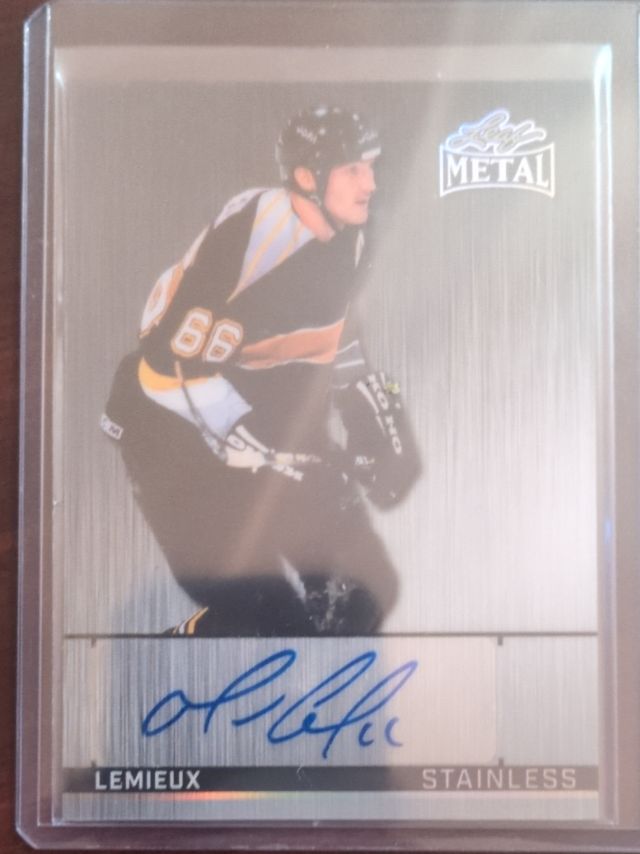
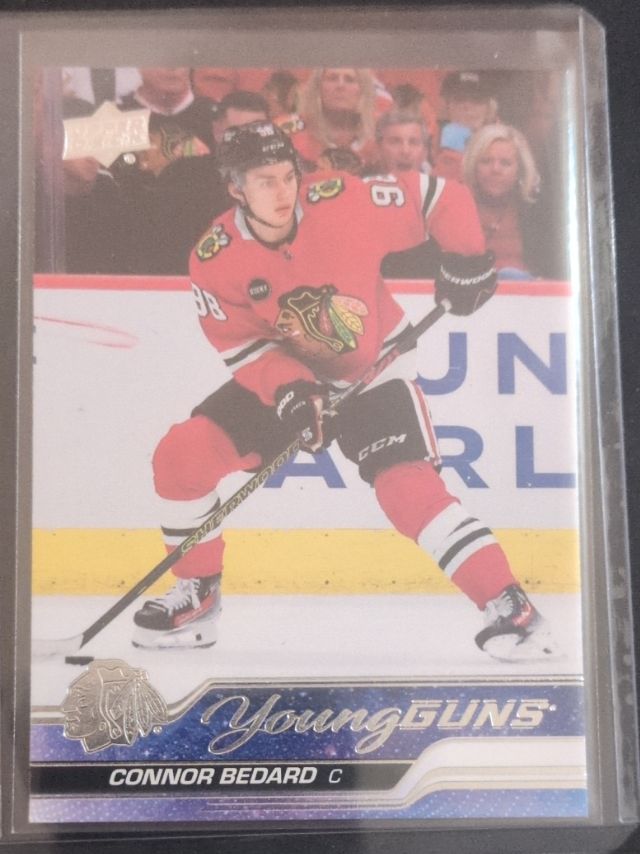
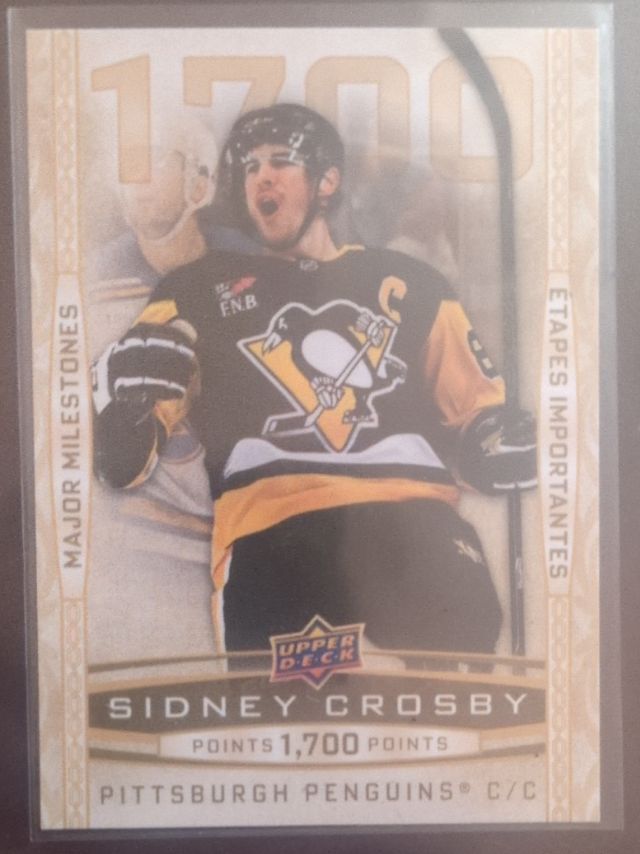
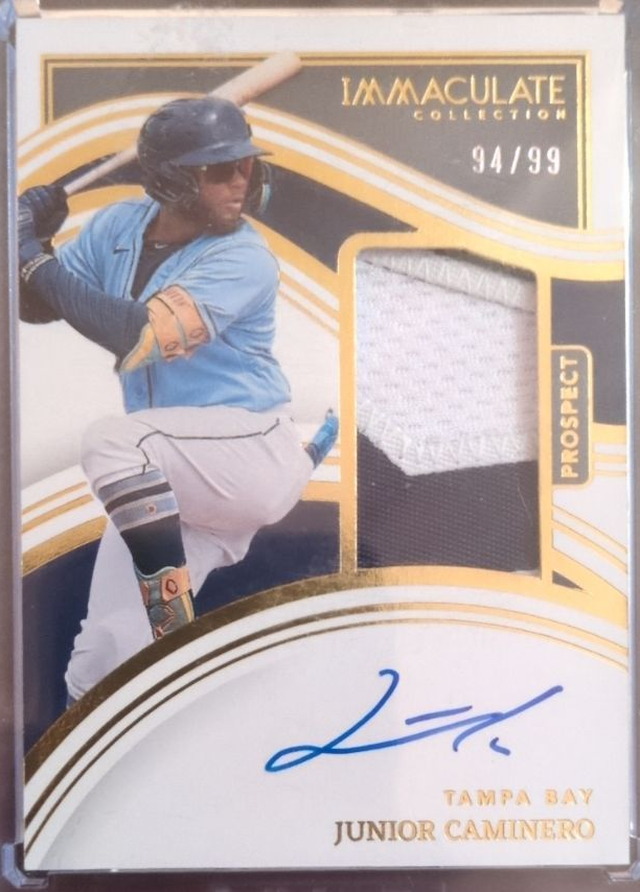
The highest-value cards currently in the All Sports pool. One physical copy each — when someone pulls it, it leaves stock for everyone.
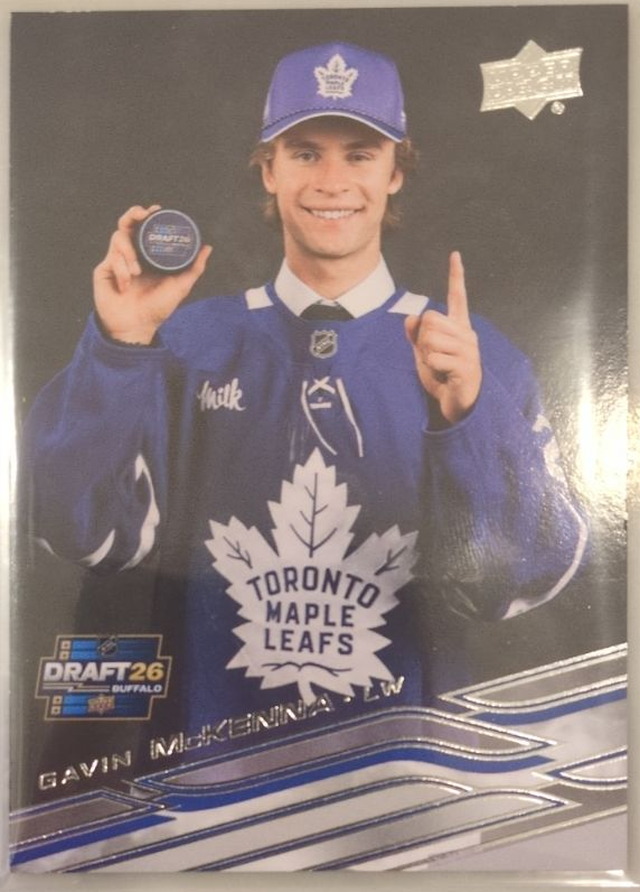
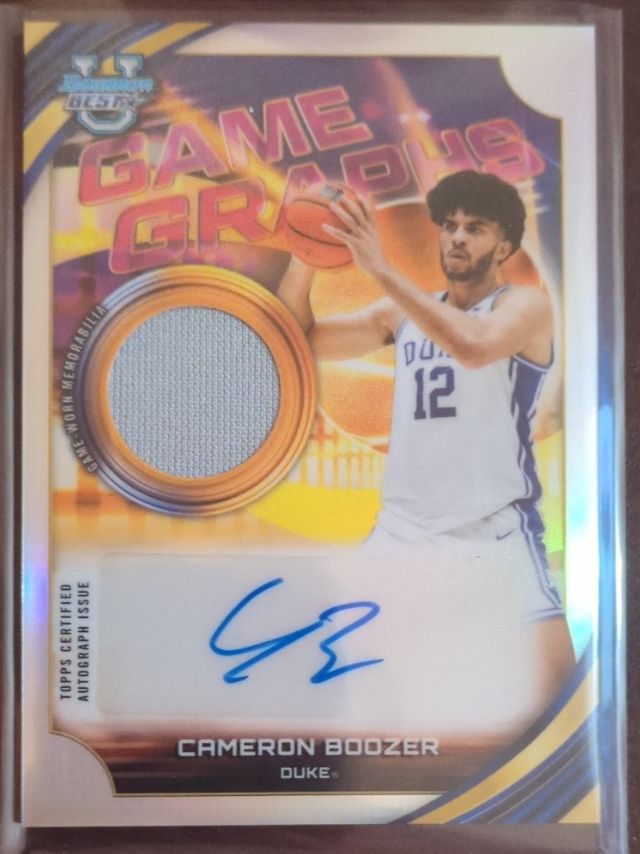
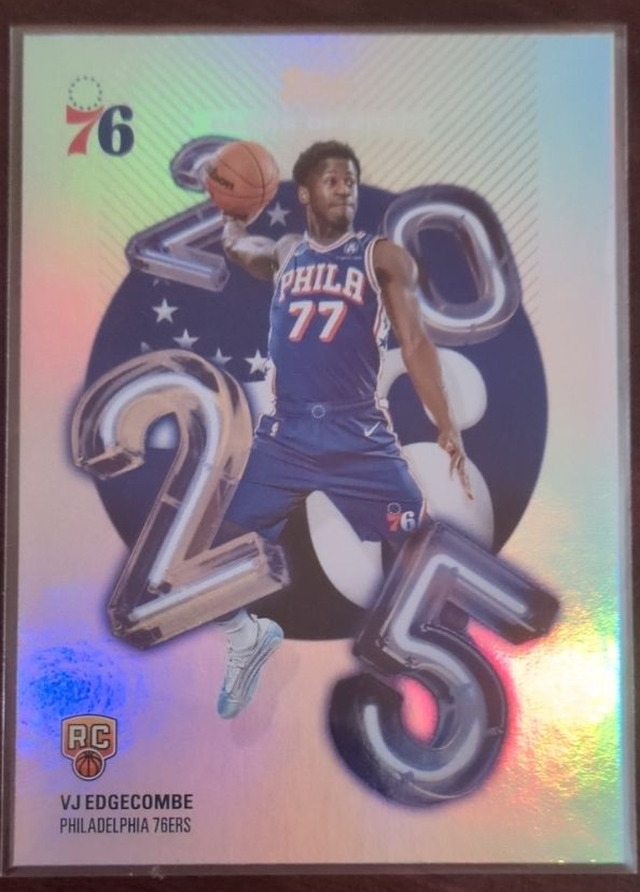
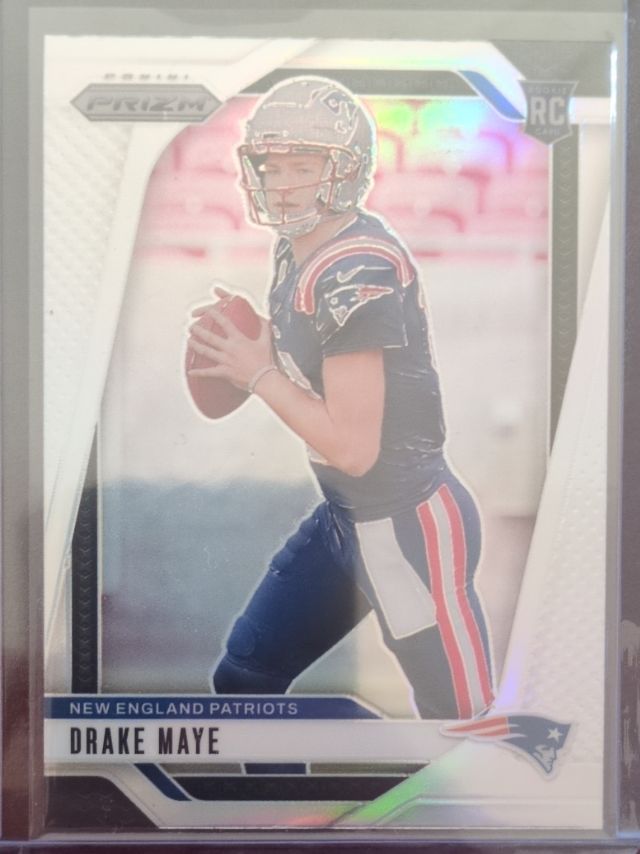
Pick your tier — same 4 cards, better odds
Higher tiers never add cards; they shift the hit slot toward the top value bands. Live odds below, computed from what's actually left in the packs. Expected value ≈ 0.9× price at every tier.
The median is the pack you are actually likely to get: half land at or below it. The 0.9× average above is carried by the rare chase hits — both numbers are true, and both come from the same engine and the same stock. Full distribution per tier → Card values and prices are both USD. No exchange rate sits between them.
What the pool actually looks like
Full value-band composition of the published All Sports inventory — the same distribution the odds tables are computed from.
Guides and reading for Assorted Sports
Guides
- Hockey Parallels, and Why Young Guns Is Not One
Hockey is a one-manufacturer sport, so its vocabulary is Upper Deck's alone. Young Guns, Canvas and O-Pee-Chee each behave differently from the ladders you meet in other sports — starting with the fact that Young Guns is not a parallel at all.
- Football Parallels and Why the Rookie Year Decides Everything
Football runs the same colour ladders as basketball, but its market is shaped by something else: a rookie class that arrives all at once, in two separate waves, months before anyone has played a down.
- Basketball Parallels and the Insert That Beats Them
Basketball has the longest parallel ladders in the hobby, built from three stacked axes rather than one long list. It also has an insert culture strong enough that the most expensive card in a product is frequently not on the ladder at all.
- Baseball Parallels and the Prospect Market
Baseball runs on one licence, one refractor family, and one market that behaves unlike anything else in the hobby: prospect cards, where you are buying a player who has not played a professional game and may never play one.
- Young GunsGlossary
Upper Deck's rookie subset in its flagship NHL set — the rookie card hockey collectors actually chase.
- Serial NumberedGlossary
A card stamped with its own number out of a stated print run, like 24/99 — the only mechanism that states scarcity outright.
- Rookie CardGlossary
A player's first card in a licensed major release — a status, not a finish, and the thing most sports card value is built on.
- Relic CardGlossary
A card with a piece of physical material embedded in it — jersey, bat, puck, glove or ball.
- One-of-OneGlossary
A card with a print run of exactly one — the only copy that exists.
- PrizmGlossary
Panini's refractive chrome finish, and the base of the biggest colour ladder in the modern hobby.
From the blog
- Parkhurst Champions cards, 2011-12 vs 2022-23
Upper Deck has used the Parkhurst Champions name on two hockey sets. How to tell the 2011-12 legends set from 2022-23, and what each one contains.
- baseball error cards and their sold prices
The Randy Johnson Marlboro billboard, the Billy Ripken bat knob and the no-name Frank Thomas: every version, what it sold for, and how to check your copy.
- basketball error cards and what they fetch
Most early-1990s basketball errors are worth a few dollars. The few that pay more, why price guides hide them, and the bigger lever for these cards.
- football error cards that pay, and ones that do not
Three 1990 Pro Set cards, three outcomes: an error worth nearly 40 times its fix, one worth nothing extra, and a version that only pays once graded.
- hockey error cards and what they sell for
Two famous hockey errors add nothing to the price. The version that does is which company printed the card: O-Pee-Chee vs Topps Gretzky, priced.
- reading a pack odds table like a buyer
What a 1-in-N odds line really means, why every repack has an EV below 1.0×, and how to read a published odds table like a buyer instead of a mark.